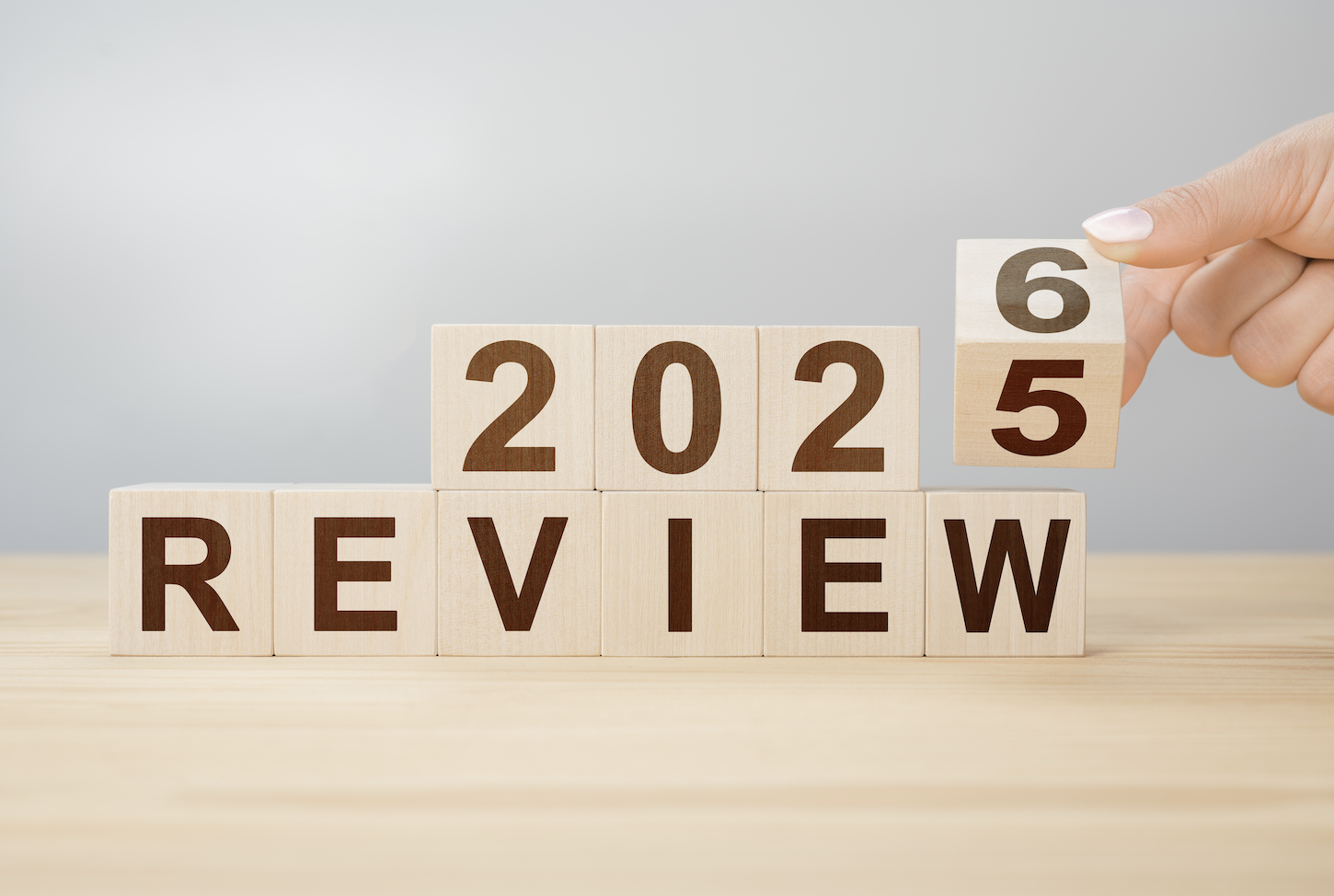
As the year comes to a close, many medical device teams are eager to look ahead to what new goals and roadmaps come next for the new year. However, before flipping the calendar to January, there is a big step that is often overlooked: closing out unfinished regulatory, quality, and development work from the current year.
Loose ends don’t disappear with holiday decorations. In Medtech, they tend to resurface later, during audits, FDA submissions, or critical design reviews, when they’re far more expensive and time-consuming to fix.
Whether you’re a startup preparing for your first submission or an established company planning your next development phase, here is a year-end checklist to help ensure you start the new year on solid ground.
1. Review and Update Design History Files (DHFs)
Your DHF should reflect the current state of your device, not what it looked like six months ago.
Before the year end
- Confirm all design inputs and outputs are documented and traceable
- Ensure design reviews are complete and properly recorded
- Close out any open action items from past reviews
Incomplete or outdated DHFs are one of the most common issues uncovered during audits and FDA reviews. Addressing gaps now is far easier than scrambling later.
2. Close Open Risk Management Items
Risk management is not a one-time activity, and unresolved risks shouldn’t roll into the new year unnoticed.
Year-end is a good time to:
- Review your risk analysis for open or partially mitigated hazards
- Confirm risk controls are implemented and verified
- Ensure risk documentation aligns with the current design
Unaddressed risks can delay verification, validation, and regulatory submissions, especially if they’re discovered late in development.
3. Confirm Verification and Validation Status
Many teams head into the holidays assuming testing is “mostly done.” Year-end is the moment to confirm that assumption.
Ask:
- Which verification and validation activities are complete?
- Which tests are planned but not yet executed?
- Are results documented and approved?
Having a clear testing status prevents unrealistic timelines and budget surprises when development picks back up in January.
4. Clean Up Documentation Gaps
Small documentation gaps tend to accumulate quietly over time. By year-end, they can become a real liability.
Take time to:
- Identify missing approvals, signatures, or revisions
- Confirm SOPs and work instructions reflect current practices
- Ensure training records are up to date
This type of “regulatory housekeeping” often gets deprioritized, but it’s exactly what auditors and regulators notice first.
5. Align Regulatory StrategyWithNext Year’s Goals
If your device is moving toward a new submission, indication, or market, your regulatory strategy should already reflect that.
Before January:
- Revisit submission timelines and regulatory pathways
- Confirm assumptions about predicate devices or classifications
- Align development plans with regulatory expectations
Starting the year with misaligned regulatory and development strategies can lead to rework and delays later.
6. Review Supplier and Partner Documentation
Suppliers and external partners play a critical role in compliance, yet their documentation is often reviewed only when something goes wrong.
Year-end is a good opportunity to:
- Confirm supplier agreements and quality requirements are current
- Review supplier performance and risk classifications
- Ensure necessary audits or evaluations are completed
This step helps prevent unexpected compliance issues when scaling or preparing for submissions.
7. Plan for Audits, Submissions, and Key Milestones
Finally, look ahead, but with clarity. Before closing out the year:
- Identify anticipated audits or inspections
- Outline major development or regulatory milestones
- Ensure resources and budgets are aligned to support them
A realistic, well-documented plan sets the tone for a smoother and more predictable year ahead.
Starting the New Year Cleanly
In MedTech, progress isn’t just about what you build next, it’s also about what you properly close out. Taking time to complete this year-end checklist can prevent costly delays, reduce risk, and give your team a stronger foundation moving into the new year.
A clean start in January doesn’t happen by accident. It starts with what you wrap up in December.
If you have questions about the development process, feel free to reach out for help. We do hundreds of free consults every year to help guide innovators along their path of device development.