
When someone develops a new medical device, one of the first questions they usually ask is, "How do I get FDA approval?"
That's not always the right question.
Before a company can determine what testing needs to be performed, how long development may take, or even how much the project could cost, it first needs to answer a much more fundamental question:
How will the FDA classify the device?
The answer has a significant impact on nearly every stage of development. It influences everything from the regulatory pathway and testing requirements to documentation, clinical evidence, development timelines, and overall project costs.
For first-time inventors, this often comes as a surprise. Many assume every medical device follows the same approval process. In reality, the FDA uses a risk-based classification system that recognizes not every medical device presents the same level of risk to patients.
A disposable bandage and an implantable heart valve simply don't require the same level of oversight, and neither should they.
Understanding how FDA device classifications work is one of the most important first steps in developing a successful medical device.
Why Does the FDA Classify Medical Devices?
The FDA's primary responsibility is protecting public health while still allowing innovation to reach patients.
Rather than treating every product the same, medical devices are classified based primarily on the level of risk they present if something goes wrong.
Generally speaking, the greater the potential risk to the patient, the greater the regulatory oversight required before the device can enter the market.
This risk-based approach helps strike a balance between encouraging innovation and ensuring patient safety.
As a result, medical devices are typically divided into three categories:
- Class I
- Class II
- Class III
While these classifications may sound simple, they influence nearly every decision made throughout product development.
Class I Devices: Low Risk, Simpler Requirements
Class I devices generally represent the lowest-risk category.
These products are typically simple in design, well understood, and unlikely to pose serious harm if used as intended.
Common examples include:
- Elastic bandages
- Examination gloves
- Handheld surgical instruments
- Tongue depressors
- Manual stethoscopes
Many Class I devices are subject to what the FDA refers to as General Controls, which include requirements such as:
- Proper labeling
- Good manufacturing practices
- Facility registration
- Device listing
- Complaint handling
- Recordkeeping
Some Class I devices are even exempt from submitting a 510(k), although they must still comply with applicable FDA regulations.
Because the regulatory burden is generally lower, Class I devices often require shorter development timelines and lower regulatory costs than higher-risk devices.
However, "low risk" should never be confused with "no requirements." Companies must still demonstrate quality manufacturing processes and regulatory compliance.
Class II Devices: Where Most Medical Devices Fall
Class II is by far the largest category of medical devices.
These devices present moderate risk and generally require more regulatory oversight than Class I products.
Examples include:
- Blood pressure monitors
- Infusion pumps
- Powered wheelchairs
- Surgical navigation systems
- Pregnancy test kits
- X-ray systems
- Many orthopedic devices
Most Class II devices reach the market through the 510(k) clearance process.
One of the biggest misconceptions is that a 510(k) means a product is "approved." Technically, most Class II devices are FDA cleared, not FDA approved.
The goal of a 510(k) submission is to demonstrate that a new device is substantially equivalent to a legally marketed predicate device already available in the United States.
In other words, rather than proving the device is entirely new, companies often demonstrate that it performs similarly to an existing device while maintaining comparable safety and effectiveness.
Depending on the product, Class II development may involve:
- Bench testing
- Performance testing
- Electrical safety testing
- Electromagnetic compatibility (EMC) testing
- Biocompatibility testing
- Software validation
- Sterilization validation
- Human factors evaluations
Exactly which tests are required depends on the intended use and technological characteristics of the device.
Class III Devices: The Highest Level of Oversight
Class III devices represent the highest-risk medical technologies.
These products typically:
- Sustain or support life
- Are implanted for long periods
- Present significant potential risk if they fail
- Utilize novel technologies without suitable predicate devices
Examples include:
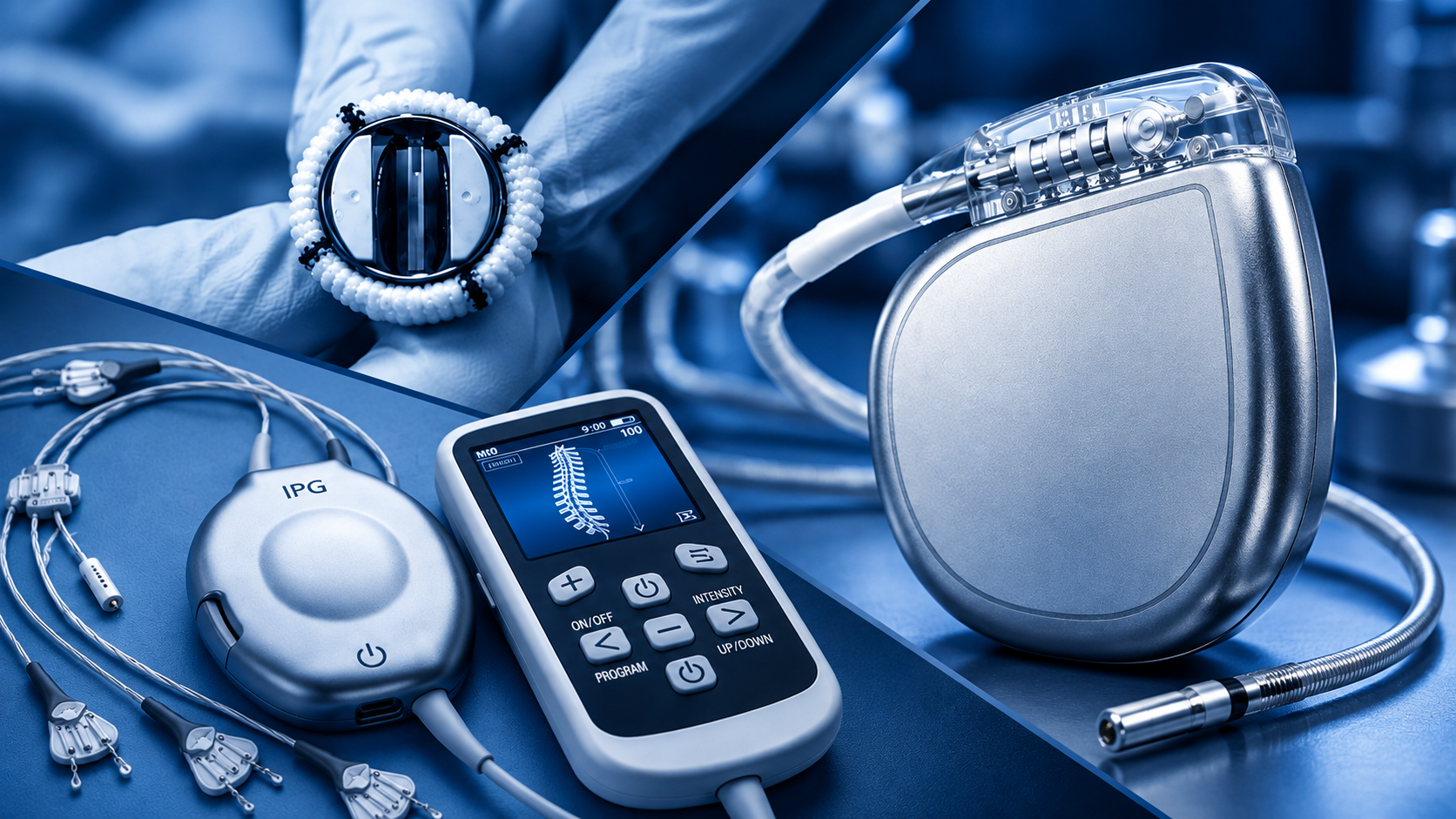
- Implantable pacemakers
- Artificial heart valves
- Deep brain stimulators
- Certain neurostimulators
- Some implantable drug delivery systems
Unlike most Class II devices, Class III devices generally require Premarket Approval (PMA).
PMA is considerably more extensive than the 510(k) process.
Manufacturers often must provide:
- Extensive laboratory testing
- Engineering verification
- Validation testing
- Clinical trial data
- Manufacturing inspections
- Long-term safety information
- Comprehensive technical documentation
Because of these requirements, Class III devices often require significantly greater financial investment and much longer development timelines.
For companies developing breakthrough technologies, understanding this pathway early is critical for realistic budgeting and planning.
Why Classification Matters So Early
One of the biggest mistakes new inventors make is assuming they can determine FDA classification after they've finished designing the product.
Unfortunately, that approach often creates unnecessary complications. Device classification influences engineering decisions from the very beginning.
For example, knowing a product will likely be Class II or Class III may affect:
- Material selection
- Software architecture
- Risk management activities
- Verification planning
- Documentation requirements
- Manufacturing strategies
- Testing protocols
Waiting until late in development to understand regulatory expectations can lead to expensive redesigns and project delays.
Experienced product development teams typically evaluate regulatory pathways before significant engineering work even begins.
Classification Doesn't Always Depend on Complexity
Another common misconception is that more technologically advanced devices automatically belong in higher classifications.
That's not always true.
Some highly sophisticated devices may still qualify as Class II if they have established predicate devices and acceptable risk profiles.
Conversely, relatively simple devices can sometimes receive higher classifications if they perform life-sustaining functions or present significant patient risk.
The FDA evaluates far more than technological complexity.
Factors considered include:
- Intended use
- Indications for use
- Potential patient risk
- Duration of contact with the body
- Method of operation
- Existing predicate devices
- Clinical impact if the device fails
This is why regulatory expertise is often valuable early in development.
What Happens if There Isn't A Predicate Device?
Sometimes an innovative medical device doesn't fit neatly into an existing classification.
If no suitable predicate device exists, companies may need to pursue alternative regulatory pathways.
One possibility is the De Novo Classification Process, which allows certain novel devices with low-to-moderate risk to establish a new device classification.
Once granted, future devices with similar characteristics may be able to reference that classification through the 510(k) pathway.
Why Classification Affects Cost and Timeline
Perhaps the most practical reason to understand FDA classifications is their impact on project planning.
Different classifications often mean dramatically different development requirements.
Generally speaking:
Class I
- Lower regulatory burden
- Shorter timelines
- Lower development costs
Class II
- Moderate testing requirements
- More documentation
- Longer development schedules
Class III
- Extensive testing
- Often clinical studies
- Significant regulatory interaction
- Higher overall investment
- Longer commercialization timelines
These aren't just regulatory differences, they're business considerations.
Companies that understand their likely classification early can create more realistic budgets, secure appropriate funding, and establish achievable development schedules.
It's About More Than Compliance
Many people think of FDA classification as simply another regulatory hurdle.
In reality, it serves a much broader purpose.
Device classifications help ensure that regulatory oversight is proportional to patient risk. A disposable examination glove shouldn't require years of clinical studies, while an implantable cardiac device deserves extensive evaluation before being used in patients.
This risk-based approach allows innovation to continue while maintaining the safety standards patients and healthcare providers depend on.
For engineers and product developers, understanding these classifications early isn't just about meeting FDA expectations, it's about making smarter design decisions, reducing unexpected delays, and building a clearer roadmap toward commercialization.
Starting With the Right Foundation
Whether you're an inventor with your first idea or an established company developing next-generation technology, understanding FDA device classifications is one of the most important early steps in the development process.
It shapes engineering decisions, influences budgets, determines testing requirements, and establishes the regulatory path that will guide the project from concept to commercialization.
The sooner those expectations are understood, the better equipped a development team will be to avoid costly surprises later.
After all, bringing a medical device to market isn't simply about creating a product that works. It's about developing one that can demonstrate safety, effectiveness, and quality through a process designed to protect the people who will ultimately depend on it.
If you have questions about the development process, feel free to reach out for help. We do hundreds of free consults every year to help guide innovators along their path of device development.